24 November 2025
Bira has backed calls for urgent government action after consumer champion Which? uncovered hundreds of dangerous products being sold through major online marketplaces including Amazon, eBay and Etsy.
Bira is responding to Which? research that revealed nearly 800 products similar or identical to items previously flagged as unsafe by the Office for Product Safety and Standards (OPSS), with 98 per cent posing serious or high risk to consumers. The products included toys with choking hazards, baby sleeping bags that could suffocate infants, collapsing ladders and electrical items with faulty wiring that could cause house fires.

Of particular concern was that 594 listings matched OPSS alerts for products containing invisible risks that consumers cannot detect from online listings, such as telescopic ladders likely to collapse or electric saws posing fire and electrocution risks.
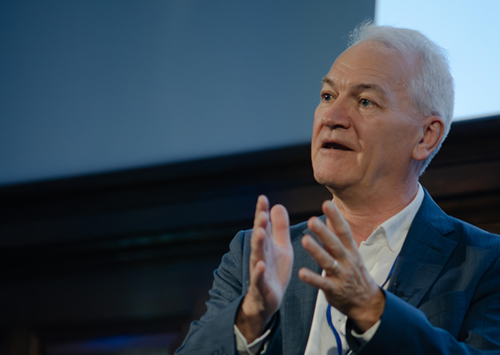
Andrew Goodacre, CEO of Bira, said: "This is further evidence of the 'wild west' nature of online shopping. Customers are sadly unaware of the issues highlighted by Which?, and we support the calls for the owners of the marketplaces to be held to account. We believe it is also further evidence that the Chancellor has to use the budget to close the duty free loophole for low value imports, it is further supporting rogue sellers online."
Which? estimates that at least 8.8 million consumers have experienced harm from faulty, unsafe or fraudulent products bought from online marketplaces. The consumer organisation found that 90 per cent of UK consumers have made purchases on online marketplaces in the last two years.
The Product Regulation and Metrology Act, adopted in July, enables the Secretary of State to impose product safety requirements on online marketplaces, but these regulations have been delayed. Which? is calling for the government to urgently use these powers to prevent dangerous products reaching UK consumers.
Bira champions the cause of independent traders and shopkeepers, focusing on revitalising and preserving the high street.
Bira's advocacy takes your voice to the heart of Parliament
Bira is at the forefront of championing the cause of independent traders and shopkeepers across Britain.
Our campaigns cover a wide spectrum of issues crucial to the success of independent traders including:
- Combatting the rising tide of retail crime
- Advocating for changes in legislation that promote fairness and flexibility
- Fighting for fairer business rates
- Overall reducing the regulatory burden
Catch up on key industry insights with podcast episodes available now
High Street Matters will discuss crucial subjects such as consumer trends, relevant government legislation, business rates, parking and staffing, providing top tips to help to help businesses stay ahead of the retail curve.
We’re talking to a cross section of our members from across the UK, from single retail outlets to small chains, and from large department stores to leisure and hospitality.
Listen to the series, available now.
Image credit: Achira22/stock.adobe.com
Latest News
-
Cost crisis looms for independent retailers ahead of Budget
Independent retailers face a looming cost crisis unless the Chancellor acts in the Budget, Bira has warned.
-
Marketplace VAT crackdown risks creating new loopholes, independent retailers warn
Bira has welcomed plans to make online marketplaces collect VAT but warns that proposed exemptions could undermine the crackdown.
-
Sellers of castor beans and rosary peas could face licence-only sales under new proposals
Sellers of castor beans and rosary peas would only be allowed to sell them to individuals with a valid licence.
-
New banknotes to bring updated security features for retailers
The Bank of England has confirmed that the next series of banknotes will feature an Atlantic puffin, barn owl, buff-tailed bumblebee and European hedgehog.