11 December 2024
Bira has strongly welcomed the announcement that overseas online marketplaces must now pay their share of electrical waste disposal costs, particularly highlighting its impact on the growing vaping sector.
Bira says the extension of waste electrical and electronic equipment (WEEE) regulations will finally create a level playing field between high street and online sellers.
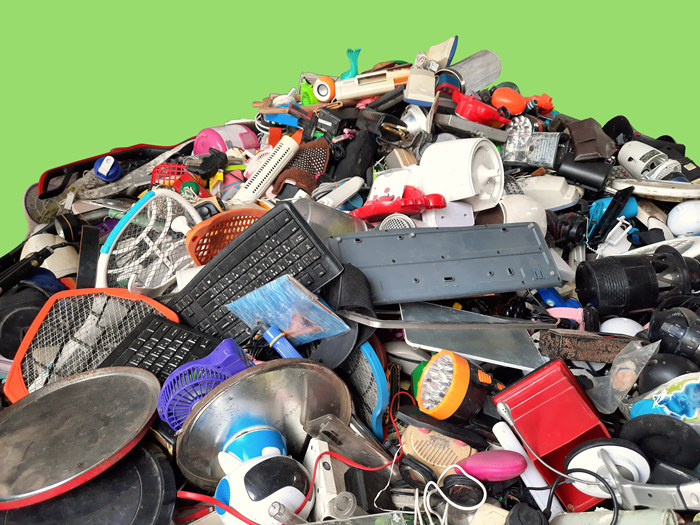
On December 10, circular economy minister Mary Creagh announced: "Electrical equipment like vapes are being sold in the UK by producers who are failing to pay their fair share when recycling and reusing of dealing with old or broken items. Today we're ending this: creating a level playing field for all producers of electronics, to ensure fairness and fund the cost of the treatment of waste electricals.
"As part of our Plan for Change, we are helping UK businesses compete and grow, and we continue to get more households recycling, cracking down on waste and ending the throwaway society."

Andrew Goodacre, CEO of Bira, said: "This marks a significant step towards fairer retail competition. The regulation of online marketplaces for WEEE compliance has been a particular concern in the vaping sector, where we've seen a surge in online sales without corresponding waste management responsibilities. These new rules will ensure all sellers contribute to the environmental costs of their products."
The WEEE directive, first introduced in 2002 and updated in 2012, covers all items requiring batteries, solar energy, or electrical current to operate. This includes large household appliances like refrigerators and dishwashers, small household appliances, IT equipment, consumer electronics, lighting, tools, toys, and medical devices.

Jeff Moody, commercial director of Retra, Bira's specialist electrical retail division, added: "The vaping industry exemplifies why these regulations are needed. High street retailers have managed disposal responsibilities while online sellers haven't faced the same obligations. This has created an unfair advantage for online marketplaces, particularly with products like vapes that have significant environmental impact."
"As part of the Bira group, Retra has long advocated for equal treatment between online and physical retailers," added Mr Moody. "This announcement marks a significant victory for independent retailers who have consistently met their environmental obligations while competing with online sellers operating under different rules."
The directive, first introduced in 2002 and updated in 2012, places responsibilities on all producers - including manufacturers, importers, distant-sellers, distributors and retailers. These regulations ensure proper disposal and recycling of everything from large household appliances to small electronics, including the growing category of vaping products.

Join Retra & Bira today
Retra is the UK’s leading trade association for independent electrical retailers and servicing organisations together with parent company Bira, who have been supporting independent retail businesses for over 125 years.
With all the benefits that a Retra and Bira membership has to offer, now is the perfect time to become a member as an independent electrical retailer.
Related News
-
Critical website security flaw - all retailers urged to act now
Bira is urging businesses of all sizes to check their websites are protected, following a warning about a critical security flaw affecting PHP.
-
Cost crisis looms for independent retailers ahead of Budget
Independent retailers face a looming cost crisis unless the Chancellor acts in the Budget, Bira has warned.
-
Marketplace VAT crackdown risks creating new loopholes, independent retailers warn
Bira has welcomed plans to make online marketplaces collect VAT but warns that proposed exemptions could undermine the crackdown.
-
Sellers of castor beans and rosary peas could face licence-only sales under new proposals
Sellers of castor beans and rosary peas would only be allowed to sell them to individuals with a valid licence.