20 May 2026
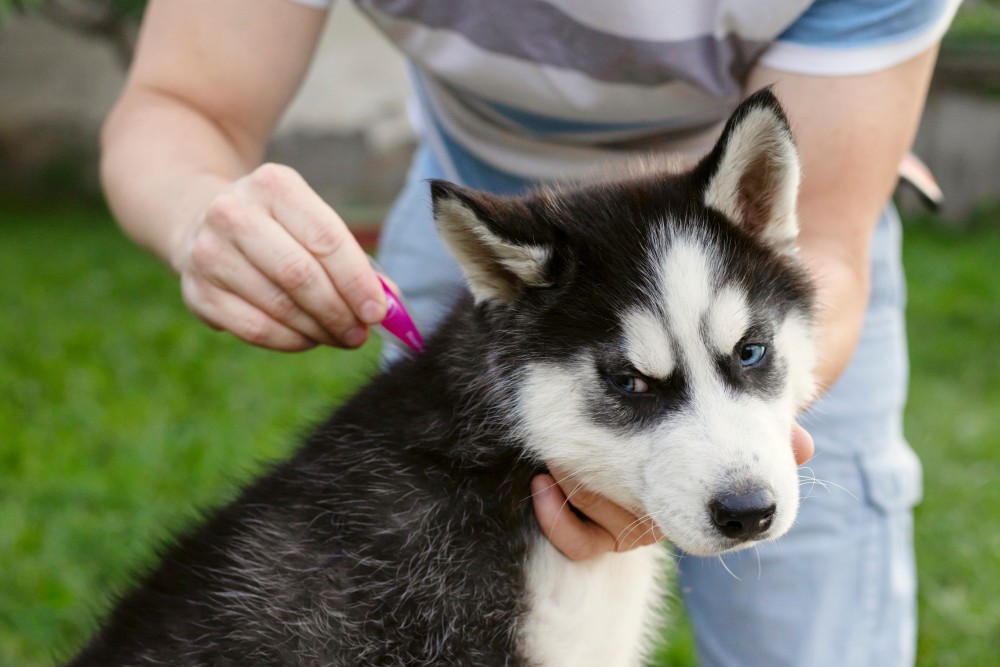
Bira is calling on the government to halt plans that could remove common flea treatments from pet shop shelves, warning the move would damage high street businesses and leave pet owners facing higher costs.
Bira is urging the Veterinary Medicines Directorate (VMD) to carry out a full retail impact assessment before any decision is made to reclassify imidacloprid and fipronil-based spot-on flea treatments. Under current proposals, these products would be removed from general sale in pet shops and restricted to vets, pharmacists and specially qualified persons.
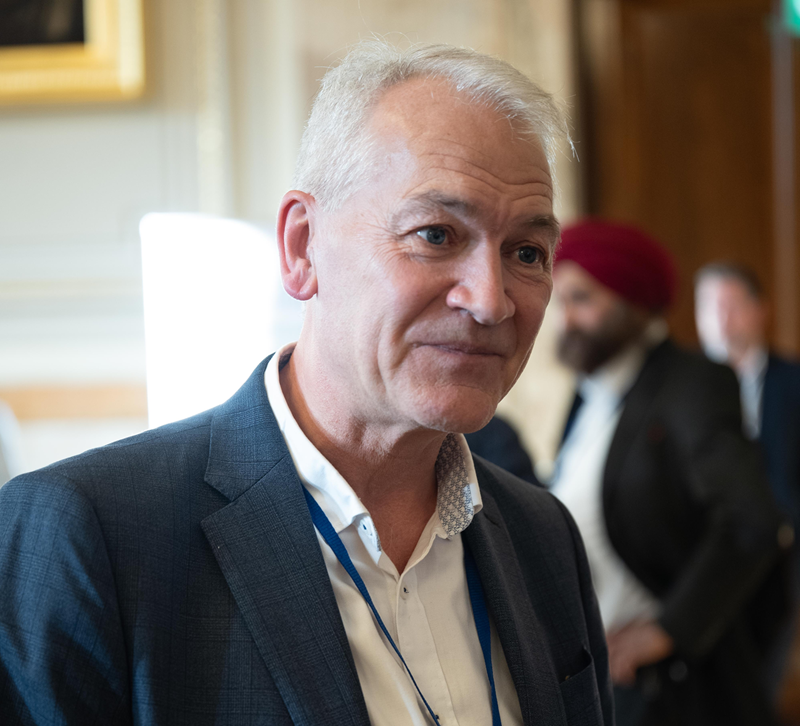
Andrew Goodacre, CEO of Bira, said: “Independent pet shops are community assets. They provide knowledgeable, affordable, accessible service to pet owners, often for routine products that owners have relied on for years. Removing flea treatments from their shelves, through a regulatory process that has involved no retail impact assessment and no meaningful consultation with our sector, is simply wrong.”
Independent pet retailers, many of them family-run businesses serving their local communities for decades, rely on flea treatments as a key purchase category that drives footfall and repeat custom. Bira warns that the costs involved in staff achieving the Suitably Qualified Person status required to continue selling these products under the proposed reclassification would be prohibitive for many small businesses.
Bira is also raising serious concerns about the impact on pet owners. More than two million cats and dogs in the UK are not registered with a vet, in many cases because local practices are not accepting new patients. For those owners, independent pet shops are often the most accessible and affordable route to routine preventive care.
Mr Goodacre added: “This is a cost-of-living issue as much as it is a high street issue. Pet owners are already under financial pressure. Pushing a routine, widely available product into the veterinary channel, a sector the Competition and Markets Authority has just found to be charging consumers too much, will mean higher prices and fewer choices for ordinary families trying to look after their animals.”
Bira is not opposing action on environmental concerns linked to the chemicals involved, but points out that reclassification would do nothing to address the wastewater pathway identified in recent research, since vet-prescribed versions of the same products follow the same route into the water system. The association is calling for any proportionate response to the environmental evidence to be separated from decisions that would transfer a valuable product category away from independent retail.
Bira is calling for a full retail impact assessment, formal consultation with trade bodies representing affected retailers, and recognition of the role independent pet shops play in providing accessible, responsible advice to their communities.
What do you think?
Bira's advocacy takes your voice to the heart of Parliament
Bira is at the forefront of championing the cause of independent traders and shopkeepers across Britain.
Our campaigns cover a wide spectrum of issues crucial to the success of independent traders including:
- Combatting the rising tide of retail crime
- Advocating for changes in legislation that promote fairness and flexibility
- Fighting for fairer business rates
- Overall reducing the regulatory burden
Image credit: spyrakot/stock.adobe.com
Latest News
-
£2,000 grant available to retailers taking on young apprentices
Small and medium-sized retailers taking on young apprentices can receive a £2,000 government payment for each eligible apprentice.
-
Campaign calls for 90 minutes’ free parking on England’s high streets
A Parliamentary petition calling for a national minimum of 90 minutes’ free parking in town and city centres across England has gained momentum.
-
Employment law changes to take effect in October with WorkNest providing need-to-know toolkit for retailers
A further 11 employment law reforms are expected to take effect in October as part of the rollout of the Employment Rights Act 2025, with WorkNest providing resources.
-
Bira and Toy Retailers Association urge shoppers to buy safe as counterfeit toy investigations rise
Bira has joined forces with the Toy Retailers Association to warn shoppers against buying toys through unregulated online marketplaces.