26 January 2026
Bira has called on the Chancellor to urgently reconsider business rates relief following new figures showing sharp job losses in the retail sector.
Official data from HMRC reveals that employment in wholesale and retail fell by 1.7% in December 2025, with 72,000 fewer people employed compared to the same period in 2024. The sector also saw vacancy levels drop by 3.5% in Q4 compared to Q3, and 6.2% year on year.

Andrew Goodacre, CEO of the British Independent Retailers Association (Bira), said the figures exposed the "flawed thinking" behind the government's decision to focus business rates relief solely on the hospitality sector.
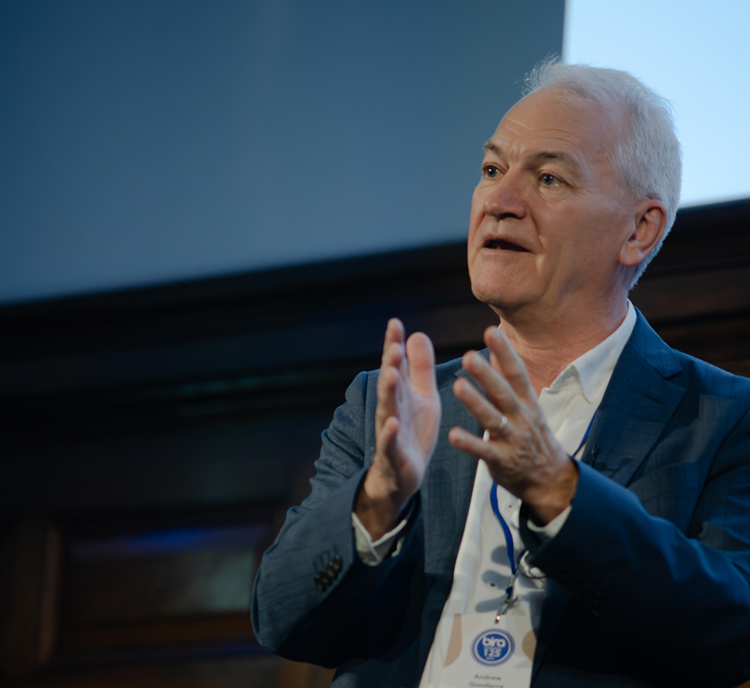
Andrew Goodacre, CEO of Bira, said: "Whilst these may look like small percentage numbers, we should remember that retail and wholesale employs 4.2 million people, accounting for 13.9% of all payrolled workers. This compares to 2.1 million in hospitality. Retail is nearly twice the size as an employer.
"These figures show once again the vital importance of retail as an employer and the stress that is clear to see across the sector. They also highlight the flawed thinking by the Chancellor to only support pubs with extra business rates relief.
"If we genuinely care about employment, especially of younger people, retail can play a much bigger role, but it also needs help to reduce the business rates burden. The government cannot continue to ignore the sector that employs over four million people whilst directing support to much smaller industries.
"Independent retailers are facing a perfect storm of rising costs, high business rates, and falling consumer confidence. These job losses are a direct consequence of government policy that fails to recognise retail's central role in employment and local economies.
"We continue to call for meaningful business rates reform that supports all retailers, not just selective sectors. The high street matters, and the people who work there matter too."
The ONS data showed that wholesale and retail experienced the largest decrease of any sector between December 2024 and December 2025, whilst median pay growth in retail was 5.9%, the highest of any sector, adding further pressure on businesses already struggling with rising costs.

"I’d be happy to ban Labour MPs if we think it would make a difference?"
Our members have already started the conversation about the "unfairness" of the rates relief for pubs, with none for retailers, over on the forum, which you can access by simply logging into the Bira website. See what fellow retailers think of this decsion and have your say over on Bira Connect.
Bira's advocacy takes your voice to the heart of Parliament
Bira is at the forefront of championing the cause of independent traders and shopkeepers across Britain.
Our campaigns cover a wide spectrum of issues crucial to the success of independent traders including:
- Combatting the rising tide of retail crime
- Advocating for changes in legislation that promote fairness and flexibility
- Fighting for fairer business rates
- Overall reducing the regulatory burden
Image credit: davit85/stock.adobe.com
Latest News
-
Sellers of castor beans and rosary peas could face licence-only sales under new proposals
Sellers of castor beans and rosary peas would only be allowed to sell them to individuals with a valid licence.
-
New banknotes to bring updated security features for retailers
The Bank of England has confirmed that the next series of banknotes will feature an Atlantic puffin, barn owl, buff-tailed bumblebee and European hedgehog.
-
SIA launches survey ahead of Martyn’s Law
The Security Industry Authority (SIA) is asking businesses and organisations that could be affected by Martyn’s Law to complete a short survey on how prepared they feel for the incoming legislation.
-
£2,000 grant available to retailers taking on young apprentices
Small and medium-sized retailers taking on young apprentices can receive a £2,000 government payment for each eligible apprentice.