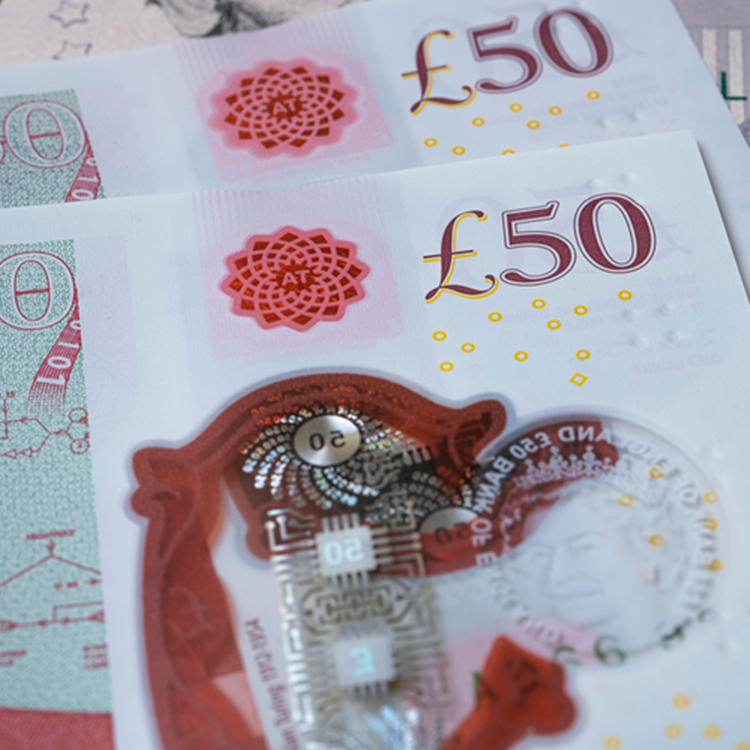
As the Bank of England asks the public to vote on animals for the next generation of banknotes, the debate may be about more than design. For independent retailers and local communities, it is a timely reminder that cash still plays a vital role on the high street.
In this article:
‣ Why the Bank of England’s animal banknote vote should be sparking a wider conversation about cash on the high street
‣ How physical cash continues to support independent retailers, local trade and community access
‣ Why banking hubs are playing a growing role in protecting access to cash across the UK
‣ Whether the debate over new note designs should focus less on symbolism and more on cash’s future
King Charles III will remain on Britain’s banknotes, even as the Bank of England asks the public to vote on which native animals should feature on the next generation of notes.
In a way, that feels like an apt metaphor: while the design may change, the core idea remains the same, cash is still king for many businesses and customers on the high street.
The public consultation, open until 3 July, will decide which species from a shortlist of 18 could replace historical figures such as Winston Churchill and Jane Austen on future £5, £10, £20 and £50 notes, with wildlife chosen as the overarching theme.
The public conversation around this change, with debate popping up over whether animals should replace historical figures, perhaps could be getting in the way of a timely reminder that cash still plays a vital role in communities, local economies and independent retail.
More than nostalgia
It is easy to frame cash as an ageing payment method, kept alive by habit or sentiment. But that overlooks its continued relevance.
Research from LINK this year found that 77% of UK SMEs still accept cash, while nearly half of in-person transactions continue to be made that way. Even as one in seven businesses have gone cashless over the past year, the majority remain committed to keeping it as an option.
Cash is immediate, tangible and free from transaction fees that can eat into already-tight margins. It offers certainty in budgeting, speed at point of sale, and resilience when digital systems go down. More importantly, it keeps businesses accessible to everyone from older customers to those managing tight budgets or living with limited digital access.
Missing the bigger picture?
There is no shortage of passion around what should appear on Britain’s currency. But perhaps too much focus is being placed on what is printed on the note, and not enough on what the note itself represents.
The bigger issue is access.
Over the past decade, communities have seen bank branches disappear, free ATMs reduced and cash infrastructure quietly stripped back. For independent retailers, this has often meant longer journeys to deposit takings and fewer local options for customers to access money.
If wildlife on notes sparks public interest, it could also serve as a useful moment to re-centre the debate. Just like some of the animals soon to be depicted on the notes, perhaps cash itself should become something of a protected species.
The quiet work of banking hubs
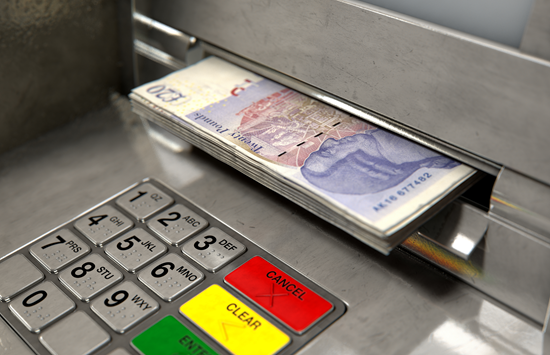
That protection is already happening, and is happening largely through banking hubs.
Five years on from the opening of the first hub, these shared banking spaces have become one of the most practical responses to branch closures, offering cash deposits, withdrawals and face-to-face banking support in towns where traditional branches have disappeared.
The support these hubs offer has wider economic implications too. Industry bodies have repeatedly pointed to banking hubs as helping maintain footfall, supporting surrounding businesses by keeping consumers and traders connected to physical money.
It is not an exaggeration to say that, in some places, banking hubs are now an increasingly key part of local cash economies. You can find out more about banking hubs here.
Security still matters
Of course, one of the common arguments against cash is security, both in handling it and in the risk of counterfeit notes. While that concern is valid, it is increasingly manageable.
The Bank of England continues to provide retailer training and free online tools to help staff identify counterfeit notes, while the National Crime Agency and other agencies offer up-to-date guidance on spotting fake Scottish banknotes and emerging fraud risks.
To learn more about these free tools and how they can be implemented in shops, see our resource here.
A useful reminder
Ultimately, the debate over animal banknotes may seem cosmetic, but perhaps that is precisely why it matters. It has put physical money back into public conversation at a time when access to cash can no longer be taken for granted.
For independent retailers, that matters because cash still underpins flexibility, accessibility and local trade in ways digital payments cannot always replicate.
The faces and figures on Britain’s banknotes may be changing to wildlife. But if this debate reminds people - and policymakers - that cash still matters, it may prove to be about far more than what is printed on the paper.
Banking Hubs links and information
The Cash Access UK Website, along with LINK's Cash Locator tool, can provide all the information necessary for you to learn more and make the most of banking hubs in your area.
Cash Access UK is a not-for-profit company funded by major high street banks that provide cash and basic banking services in communities across the UK. These include shared banking hubs and deposit services, alongside working with suppliers to test brand new services so we can meet a wider range of needs over time.
Find out more about how Bira can help you offer simple consumer finance
Bira members looking for a simple and accessible way to offer consumer lending, which helps retailers introduce flexible payment plans and scale with confidence, can find out about exclusive finance benefits here.
Photo credit: Women in Furniure Network
Related Resources
-
Campaign Focus | High street support ahead of the Budget
High streets have been big topics over the last week. With the Budget upcoming, Bira have been discussing in Westminster how the Government can best support high streets.
-
Campaign Focus | Meeting with the Metropolitan Police
Bira was invited to meet with senior officers in the Met to discuss retail crime in the London boroughs, where police outlined ongoing plans to crack down on shop theft and dodgy shops.
-
Preventing a cyber attack and fraud as an independent business | A simple yet important checklist for retailers
Practical cyber security advice for independent retailers to protect their business, customers and data from cyber attacks and fraud.
-
The Employment Rights Act: Your handy one-page printout as an independent retail business
A one-sheet guide to key Employment Rights Act changes, practical actions for retailers and important dates employers need to know.