The Deposit Return Scheme will launch in October 2027, requiring deposits on certain single-use drinks containers and refunds when they are returned. This guide explains what the scheme means for retailers, including return point requirements, manual and RVM returns, storage and preparation.
In this article:
‣ What the Deposit Return Scheme means for retailers
‣ Which drinks containers will be covered by the scheme
‣ How retailers can manage returns and refunds
‣ Practical steps retailers can take to prepare for DRS, and exceptions to the scheme
The Deposit Return Scheme (DRS) is due to launch in October 2027 across England, Scotland and Northern Ireland, requiring a deposit to be paid when consumers buy certain single-use drinks containers and refunded when those containers are returned.
The scheme will be overseen by Exchange for Change, with retailers playing an important role in collecting containers and refunding deposits.
For retailers selling drinks in scope, preparation will include understanding which products are covered, registering where required, making sure deposits are charged and refunded correctly, and deciding how returned containers will be handled. Retailers required to operate a return point will be able to choose between manual returns at the checkout and a reverse vending machine (RVM), with different space, cost and operational considerations for each.
What is the Deposit Return Scheme?
Under the DRS, consumers will pay a deposit when buying an in-scope single-use drinks container and receive that deposit back when the empty container is returned to a designated return point.
The scheme covers single-use PET plastic, aluminium and steel drinks containers from 150ml up to three litres, including water, soft drinks and alcoholic drinks for human consumption.
Return points can operate manually, with staff accepting and processing containers, or through an RVM, which allows customers to return containers themselves. Return Point Operators will receive a handling fee for containers collected.
What do retailers need to do?
Retailers selling drinks in DRS containers will need to:
-
Register with Exchange for Change where registration is required.
-
Only sell in-scope drinks from producers registered with Exchange for Change.
-
Ensure in-scope products carry the required DRS logo and return code.
-
Charge the applicable deposit on each in-scope container sold.
-
Accept and refund eligible containers if the store is operating a return point.
-
Store returned containers safely until they are collected.
-
Display information explaining how the scheme works.
-
Provide information on complaints and how to contact Exchange for Change.
Importantly, a retailer that is exempt from operating a return point must still charge the deposit on in-scope drinks and provide customers with information explaining how they can redeem it.
Choosing how to accept returns
There are a number of ways retailers can consider accepting returns:
Manual returns
With a manual return point, staff will accept and scan containers at the checkout, refund the deposits and place returned containers into bags for storage and collection.
This is likely to have a lower upfront cost than an RVM, but retailers will need to consider the impact on checkout queues and staff time, as well as storage space, hygiene and the safe movement of returned containers around the shop.
Returned containers may contain residual liquid or be dirty, so retailers should consider hand-cleaning facilities, increased cleaning around the checkout and measures to reduce the risk of spills, slips, odours and pests.
Reverse vending machines
An RVM allows customers to return containers themselves, with the machine scanning and storing the containers before issuing a voucher that can be redeemed at the till.
An RVM can reduce the pressure on staff and checkout queues and compact containers to save storage space, but retailers will need to consider the cost of buying or leasing, servicing and cleaning the machine, as well as power, internet connectivity and sufficient space for returned containers.
Before buying or leasing an RVM, retailers should check that it meets the specifications published by Exchange for Change. The specification requires, among other things, connectivity to the scheme network, the ability to recognise in-scope containers and appropriate anti-fraud measures.
RVMs must also integrate with the retailer's EPOS system so that deposit vouchers can be redeemed, while paper vouchers must be available as a minimum under the current specification.
Planning for storage and collections
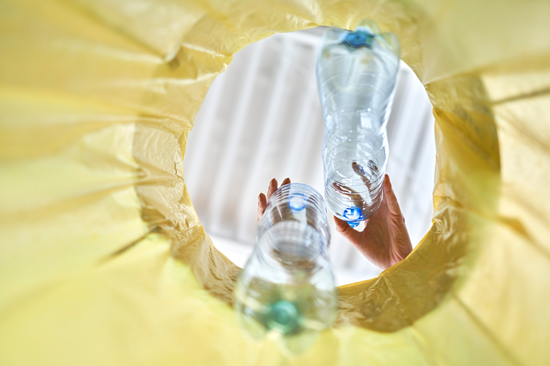
Whether returns are handled manually or through an RVM, retailers will need to plan where returned containers will be kept before collection.
Storage must be safe and sufficient for the expected volume of returns and should be separate from areas where open food is served or stored. Retailers should also consider how containers will be moved from the checkout or RVM to the storage area and how busy periods, seasonal events and bank holidays could increase return volumes.
The number of containers likely to be returned will depend on factors including the volume of in-scope drinks sold, local customer behaviour and the location of other nearby return points, so retailers should consider their expected return volumes when deciding which operating model is appropriate.
Exemptions
Some retailers will not be required to operate a return point. For example, groceries retailers in urban areas with less than 100m² of retail space are automatically exempt, although they can voluntarily opt in. Other exemptions can be available subject to application and specific criteria.
Retailers should check the Exchange for Change Return Point Exemptions Criteria for the full criteria and application requirements.
Preparing for DRS
Retailers should start by:
-
Identify which products you sell will be in scope, including checking container materials and sizes.
-
Check whether your store will need to operate a return point and whether any exemption applies.
-
Estimate potential return volumes based on your sales and local circumstances.
-
Consider manual returns against an RVM, taking account of available space, staff time, cost and expected volumes.
-
Review storage arrangements and how returned containers will be moved and collected.
-
Check EPOS requirements and how deposits and refunds will be processed.
-
Plan staff procedures, including handling returns, hygiene, cleaning and customer queries.
-
Prepare customer communications and signage explaining deposits, returns and refunds.
The scheme's detailed operational arrangements are continuing to be developed, so retailers should monitor updates from Exchange for Change and review their preparations as further requirements are confirmed.
Get all of the relevant details firsthand
The official Exchange For Change resource page brings together clear guidance, practical tools and official assets to support retailers as part of the Deposit Return Scheme.
Photo credit: RomanR/stock.adobe.com; deagreez/stock.adobe.com
Related Resources
-
Preventing a cyber attack and fraud as an independent business | A simple yet important checklist for retailers
Practical cyber security advice for independent retailers to protect their business, customers and data from cyber attacks and fraud.
-
The Employment Rights Act: Your handy one-page printout as an independent retail business
A one-sheet guide to key Employment Rights Act changes, practical actions for retailers and important dates employers need to know.
-
Martyn’s Law – what you need to know as an independent retailer (and actions to take)
Martyn’s Law will require some retailers to strengthen emergency procedures and staff preparedness ahead of 2027 implementation.
-
Award-nominated businesses highlight the brilliance, ingenuity and community spirit of independent retail during COVID
Love Your High Street Awards nominations highlight how independent businesses supported their communities and adapted during COVID.