11 November 2024
Bira has said that the latest British Retail Consortium (BRC) report has shown that high streets are continuing to face significant difficulties across the UK, particularly in non-food categories, as retailers grapple with declining footfall and persistent deflation in several sectors.
October's report by the British Retail Consortium revealed a disappointing month for retail despite an encouraging start, with performance notably impacted by unseasonably mild weather and shifted half-term holiday dates compared to the previous year. Whilst health and beauty retailers and computing sectors demonstrated resilience, several non-food categories registered declining sales, painting a picture of cautious consumer spending.
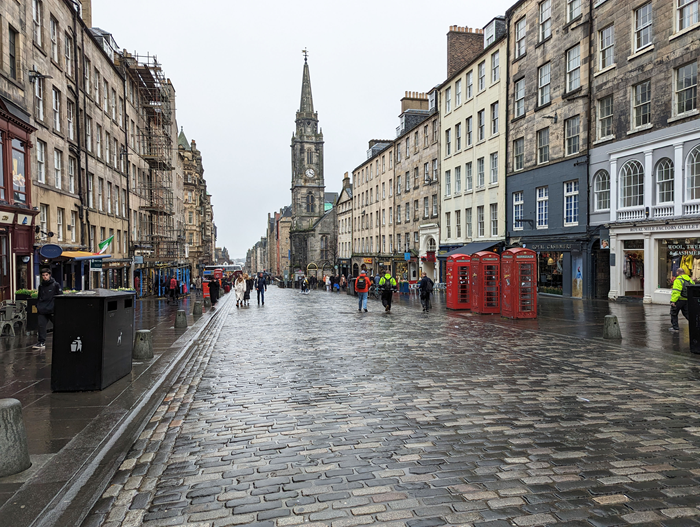
The report highlighted that footfall showed a marginal year-on-year decline in October, though retail parks bucked this trend, marking their third consecutive month of growth. This pattern suggests consumers continue to favour accessible, experience-focused shopping destinations.
Price deflation reached its lowest level since August 2021, with food price inflation showing signs of easing, whilst non-food categories maintained steady deflation rates. Notable discounting activity persisted in electronics and DIY sectors, with retailers actively managing stock levels through promotional activity.
In Scotland, retail sales showed minimal growth, advancing just 0.1% year-on-year in real terms—matching September's performance and reflecting a broader pattern of stagnant trading since June. The clothing and footwear sector was particularly hard-hit, though other non-food categories saw modest improvements.
The recent Autumn Budget has introduced significant policy shifts, including increased employer taxation and enhanced infrastructure spending, marking a departure from the more restrictive fiscal approach seen in March. This could potentially add to inflationary pressures in the coming year, further impacting consumer spending patterns.
Consumer optimism regarding both the broader economy and personal finances remains subdued, according to the latest sentiment monitor, though the approaching Black Friday sales period is expected to drive increased spending, particularly among younger consumers.
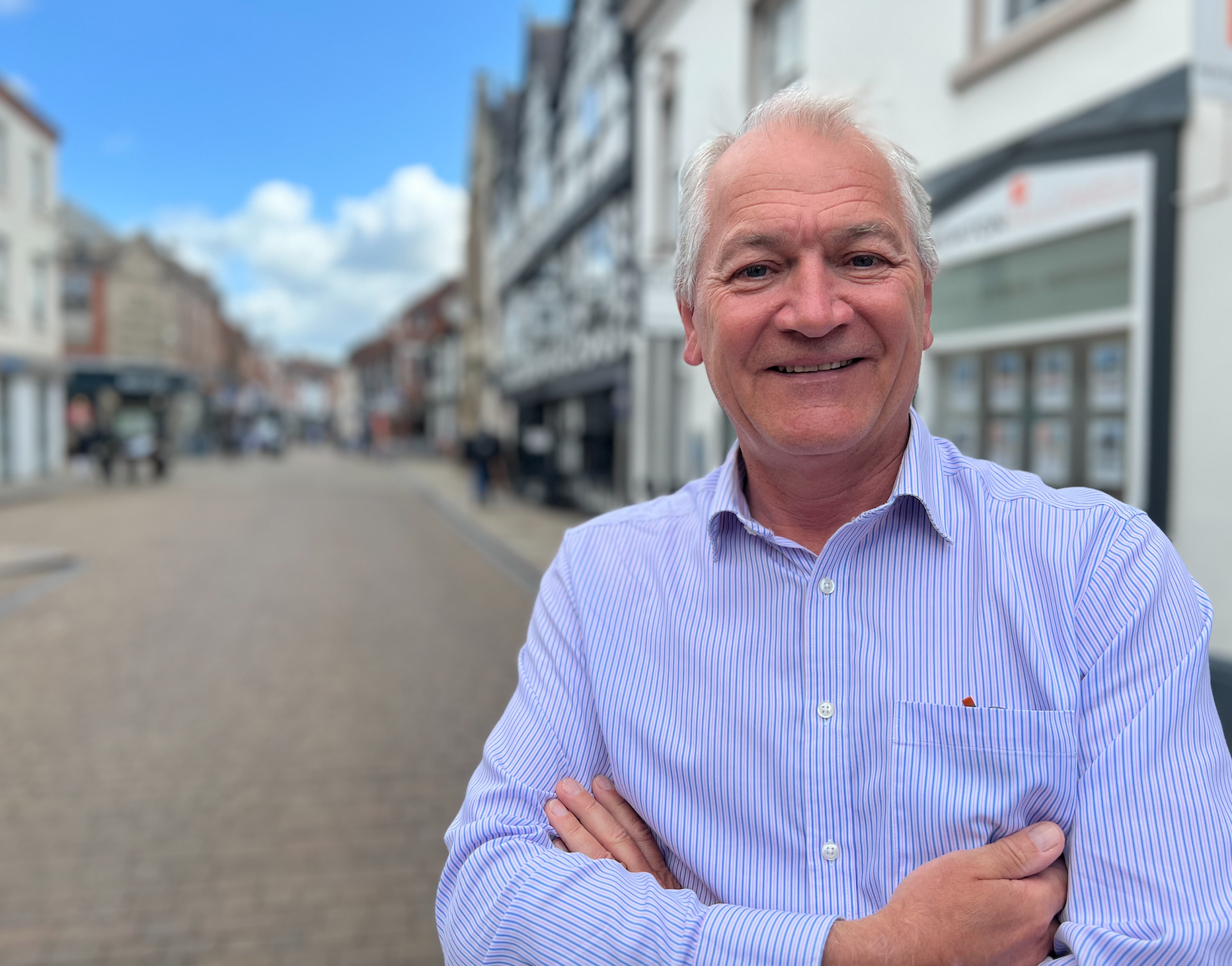
Andrew Goodacre, CEO of Bira, said: "These figures continue to highlight the difficulties on the high streets throughout the UK, especially in many of the non-food categories. Footfall is down, some sectors are experiencing deflation, and consumer confidence has still not returned." He emphasised the fragility of the independent high street economy, noting that "the recent budget has done nothing to boost retailer confidence as it has increased the cost base by more than inflation."
Support our advocacy efforts
Join Bira today and have your voice heard.
As experts in the business, Bira influences public debate, by monitoring and shaping new legislation through the Legal and Parliamentary Affairs Committee, keeping Bira members one step ahead.
By listening to our member's needs over the phone, through proactive surveying and analysis retail landscape reports we're able to fight for the issues that you tell us matter most to you.
Related News
-
Bristol health store toasts four and a half decades on the high street
An independent health and wellbeing store is marking a milestone anniversary this month, celebrating 45 years of trading.
-
Eight independent shops shortlisted for high street award
Eight independent retailers have been shortlisted for this year's Love Your High Street Awards, with the public now able to vote for their favourite.
-
Bira warns new visitor levy risks squeezing high street spending
Bira has raised concerns that the government's new Overnight Visitor Levy could reduce the amount visitors spend on Britain's high streets.
-
Independent retailers urge Chancellor to turn growth ambition into action on business rates
Bira has welcomed the Chancellor's growth ambitions but says independent retailers now need to see the benefit in their own cost base.