19 January 2026
The Financial Conduct Authority has announced changes to its rules on contactless payments, giving banks and payment providers greater flexibility over transaction limits.
Under the new framework, firms with strong fraud controls will be able to set their own contactless limits and are encouraged to allow customers to choose their own limit or switch contactless payments off.
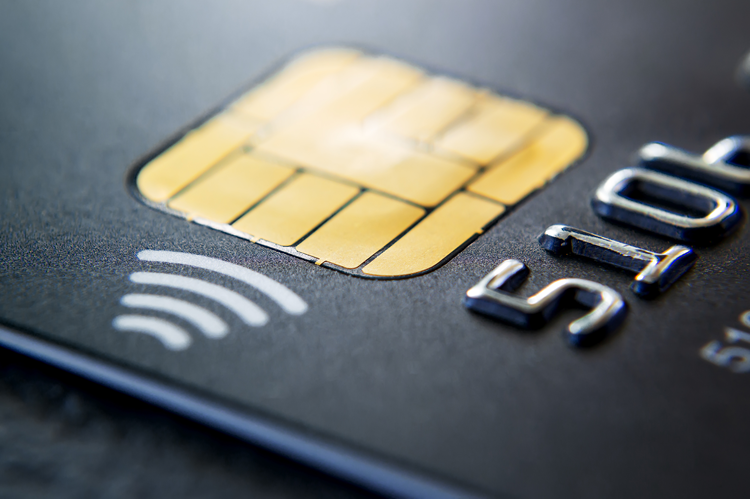
The regulator said contactless use has continued to grow, with research from Barclays showing almost 95% of eligible in-store card transactions were made using contactless payments in 2024.
The FCA said existing consumer protections will remain in place, including mandatory reimbursement in cases of unauthorised fraud such as lost or stolen cards.
David Geale, executive director of payments and digital finance at the FCA, said: “Contactless is people’s favoured way to pay. We want to make sure our rules provide flexibility for the future, and choice for both firms and consumers.”
The new standards follow a public consultation on contactless payments and form part of wider measures outlined by the regulator to support growth and digital innovation.
The rule changes will take effect in March 2026, after which firms can decide whether and when to adjust their contactless limits and must clearly communicate any changes to customers.

"I’d be happy to ban Labour MPs if we think it would make a difference?"
Our members have already started the conversation about the "unfairness" of the rates relief for pubs, with none for retailers, over on the forum, which you can access by simply logging into the Bira website. See what fellow retailers think of this decsion and have your say over on Bira Connect.
Bira's advocacy takes your voice to the heart of Parliament
Bira is at the forefront of championing the cause of independent traders and shopkeepers across Britain.
Our campaigns cover a wide spectrum of issues crucial to the success of independent traders including:
- Combatting the rising tide of retail crime
- Advocating for changes in legislation that promote fairness and flexibility
- Fighting for fairer business rates
- Overall reducing the regulatory burden
Image credit: Maryia/stock.adobe.com
Latest News
Read more-
Bira calls for business rates reform and action on overseas imports alongside new government investment
Bira has welcomed the government's £319 million investment in high street revitalisation, while warning that without other reforms many high street businesses will continue to struggle.
-
Easter shoppers encouraged to love their local high street
Independent retailers are being urged to showcase their Easter offerings as part of the latest Love Your High Street campaign.
-
Electrical trade association Retra nominated as part of industry award shortlist
Retra, the trade association representing independent electrical retailers and a member of the Bira family of associations has been shortlisted for an IER award.
-
Bira backs calls for online marketplace accountability over dangerous product safety failures
Bira has thrown its support behind new Which? research revealing widespread dangerous product safety failures on major online marketplaces.